Pharmaceutical Pusher Centrifuge for Crystalline Product Separation
Shreeji Engineers manufactures and supplies Pharmaceutical Pusher Centrifuge Machines for continuous solid-liquid separation of suitable crystalline pharmaceutical products and process intermediates.
Pharmaceutical centrifuge selection depends on product characteristics, crystal size, mother liquor, solvent compatibility, required cake moisture, product-contact material and cleaning requirements.
Our machines can be configured according to the requirements of suitable APIs, pharmaceutical intermediates and other filterable crystalline products.
Material selection, surface finish, sealing, cleaning access, documentation and other pharmaceutical requirements should be finalized according to the intended process.
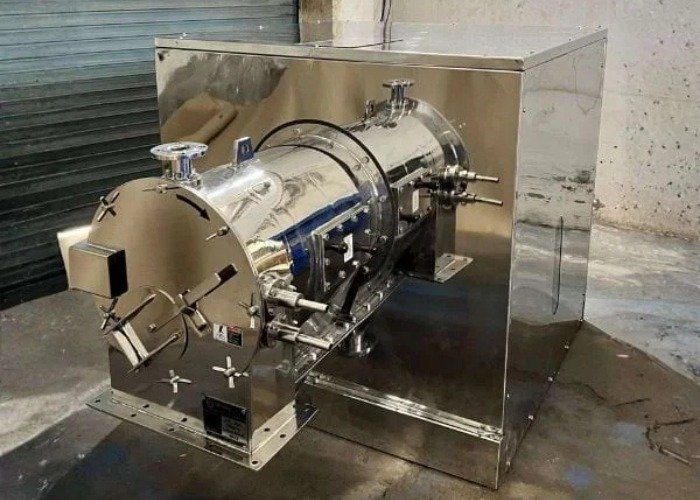
Pharmaceutical Pusher Centrifuge Enquiry
Key Considerations for Pharmaceutical Pusher Centrifuge
Machine configuration should be based on product behaviour, material compatibility, cleanliness requirements and production needs.
API & Intermediate Processing
Suitable for selected filterable crystalline APIs and pharmaceutical intermediates.
Material Selection
Product-contact material can be selected according to product, solvent and corrosion requirements.
Surface Finish Options
Surface finish requirements can be defined according to pharmaceutical process needs.
Cleaning Access
Cleaning and inspection access can be considered during machine engineering.
Cake Washing
Washing arrangements can be evaluated where required for product purification.
Documentation Options
Technical and inspection documentation can be finalized according to project scope.
Pharmaceutical Solid-Liquid Separation
Pharmaceutical separation requires careful evaluation of product behaviour, mother liquor, recovery and cleanliness.
Pharmaceutical manufacturing often requires separation of valuable crystalline solids from process liquids after crystallization, purification or reaction stages.
Machine selection should consider crystal size, solids concentration, filtration behaviour, required cake moisture, product recovery, washing requirements and material compatibility.
A Pusher Centrifuge may be suitable where the product forms a free-filtering crystalline cake and continuous solids discharge is required.
Pharmaceutical Product Evaluation Before Selection
Actual process data should be reviewed before selecting the machine size and configuration.
Product Data
Product name, crystal size and particle characteristics are reviewed first.
Feed Conditions
Feed concentration, temperature and mother liquor characteristics are evaluated.
Separation Requirement
Required capacity, cake moisture, recovery and washing requirements are considered.
Machine Configuration
Material, screen, cleaning, containment and documentation requirements are finalized.
Suitability for Crystalline Pharmaceutical Products
A Pharmaceutical Pusher Centrifuge is generally suited to products that form relatively free-filtering crystalline solids.
Potential applications may include selected crystalline APIs, pharmaceutical intermediates, process crystals, pharmaceutical salts and specialty crystalline products.
Not every pharmaceutical material is suitable. Products with very fine particles, compressible cakes or difficult filtration behaviour require additional process evaluation.
Material Selection for Pharmaceutical Processing
Product-contact material should be selected according to the API, mother liquor, solvent, temperature and cleaning chemicals.
SS 304
Available where compatible with the processed material and operating environment.
SS 316
Can be considered for suitable pharmaceutical and chemical process conditions.
SS 316L
Often considered for pharmaceutical product-contact applications where compatible with the process.
SS 904L
Available for selected applications requiring higher corrosion resistance.
Duplex Stainless Steel
Can be considered where process conditions require suitable corrosion resistance.
Special Alloy Options
Special corrosion-resistant material can be evaluated for demanding process media.
Product-Contact Surface Finish Options
Surface finish should be defined according to cleanliness, inspection and product-release requirements.
A smoother product-contact finish may support easier cleaning, reduced material retention and improved visual inspection.
Surface finish requirements should be finalized during engineering according to the pharmaceutical process and customer specification.
Specific Ra values should only be stated when they are included and verified in the supplied machine specification.
Cleaning Access & Contamination Control
Pharmaceutical cleaning requirements can influence machine access, internal construction, seals and product-contact design.
Inspection Access
Product-contact areas can be considered for visual inspection and maintenance access.
Cleaning Access
Machine configuration can consider the customer's intended cleaning procedure.
Removable Screens
Screen removal and inspection requirements can be considered according to machine configuration.
Cross-Contamination Control
Product retention and changeover requirements should be reviewed during engineering.
Seal Selection
Seal material should match product, solvent, temperature and cleaning conditions.
Product Containment
Enclosed or controlled discharge arrangements can be evaluated where required.
Cake Washing & Product Recovery Requirements
Wash Liquid
Wash liquid compatibility, quantity and application method should be evaluated before machine configuration.
Cake Thickness
Cake thickness influences wash penetration and overall purification performance.
Product Solubility
Product solubility in the wash liquid should be considered to limit unnecessary product losses.
Recovery Target
Screen selection and machine settings should support the required balance between filtration and product recovery.
Pharmaceutical Filtration Screen Selection
Screen configuration should be selected according to crystal size, product retention and filtration behaviour.
Crystal Size
Crystal dimensions influence screen opening and filtration performance.
Product Retention
Screen selection should minimize unwanted product loss through the filtrate.
Filtration Rate
Product permeability and liquid flow behaviour should be considered during selection.
Pharmaceutical Solvent-Handling Considerations
Solvent-processing applications require evaluation of the complete equipment and plant configuration.
Solvent Compatibility
Product-contact metals, seals and components should be compatible with the process solvent.
Operating Temperature
Temperature can influence solvent behaviour, vapour generation and filtration conditions.
Electrical Suitability
Electrical components should match the applicable plant area and safety requirements.
Vapour & Containment
Vapour handling, enclosure and plant ventilation should be evaluated where required.
Enclosure & Sealing Considerations
Containment and sealing requirements depend on the product, solvent, cleaning process and plant environment.
Enclosed Configuration
Machine enclosure can be evaluated where improved product containment is required.
Seal Compatibility
Seal material should be selected according to process media and temperature.
Controlled Discharge
Product discharge can be coordinated with downstream handling requirements.
Pharmaceutical Documentation Requirements
Documentation can be prepared according to the agreed customer specification and project scope.
GA Drawing
General arrangement documentation can be supplied for project coordination.
Technical Data
Machine specifications and selected construction details can form part of the documentation package.
Electrical Documentation
Electrical schematic and panel information can be supplied according to machine configuration.
Operation Manual
Machine operation and maintenance instructions can be included with the supplied equipment.
Material Certificates
Material certificates may be supplied where specified and available for selected components.
Inspection Records
Inspection and testing documentation can be agreed according to project requirements.
Pharmaceutical Machine Inspection Requirements
Pharmaceutical GMP Suitability
GMP suitability depends on the complete machine configuration and intended pharmaceutical process.
A Pusher Centrifuge should not automatically be described as GMP compliant simply because it is used in pharmaceutical manufacturing.
GMP suitability can depend on product-contact materials, surface finish, cleanability, seal design, contamination control, containment, documentation and the installation environment.
These requirements should therefore be reviewed and agreed during project engineering.
Pharmaceutical Process Evaluation & Machine Selection
Machine size should be selected from the complete process requirement rather than production capacity alone.
Crystal Characteristics
Crystal size, strength and filterability influence machine and screen selection.
Mother Liquor
Liquid composition influences material, seal and solvent compatibility.
Production Capacity
Required throughput influences basket size and machine configuration.
Required Cake Moisture
Final moisture requirement should be evaluated against actual filtration behaviour.
Cleaning Requirements
Cleaning procedure and changeover expectations affect machine configuration.
Documentation Scope
Documentation and inspection requirements should be agreed before manufacturing.
Product Recovery & Downstream Integration
Product discharge should be coordinated with the next stage of pharmaceutical processing.
Dryer Integration
Centrifuge discharge can be planned in relation to downstream drying equipment.
Closed Product Receiver
Controlled collection arrangements can be considered where containment is required.
Conveyor Transfer
Continuous product handling can be coordinated with suitable conveying systems.
Further Processing
Discharge arrangement can be matched with blending, reaction or packaging stages.
Pharmaceutical Pusher Centrifuge Manufacturer in India
Machine configuration is developed according to pharmaceutical process and application requirements.
Pharmaceutical Pusher Centrifuge Frequently Asked Questions
1. What is a Pharmaceutical Pusher Centrifuge?
It is a continuous filtration centrifuge configured for suitable crystalline pharmaceutical products according to process, material and cleanliness requirements.
2. Can a Pusher Centrifuge be used for APIs?
It may be suitable for selected crystalline APIs that form a free-filtering cake. Actual suitability should be confirmed from process data.
3. Is SS 316L available?
SS 316L can be considered where required and compatible with the API, mother liquor, solvent and cleaning conditions.
4. Is pharmaceutical surface finishing available?
Surface finish requirements can be incorporated according to project specifications.
5. Can the centrifuge wash the filter cake?
Cake washing arrangements can be evaluated where required by the pharmaceutical process.
6. Can the machine handle solvents?
Solvent applications require evaluation of materials, seals, electrical suitability, containment and plant safety requirements.
7. Is the machine GMP compliant?
GMP suitability depends on the complete equipment configuration, intended process, cleaning requirements, materials, documentation and applicable customer requirements.
8. Can documentation be supplied?
Technical, manufacturing and inspection documentation can be supplied according to the agreed project scope.
9. How is the correct machine selected?
Selection is based on crystal size, feed concentration, required capacity, mother liquor, cake moisture, washing requirements, material and cleanliness needs.
Explore Our Pusher Centrifuge Range
Need a Pharmaceutical Pusher Centrifuge?
Share your API, intermediate or crystalline product details, required capacity, mother liquor, solvent, cake moisture, cleaning requirements and preferred construction material with Shreeji Engineers.

 Users Today : 9
 Users This Month : 170
 Total Users : 1078